
Filmora 9 Install Guide: Step-by-Step Setup for Smooth Video Editing
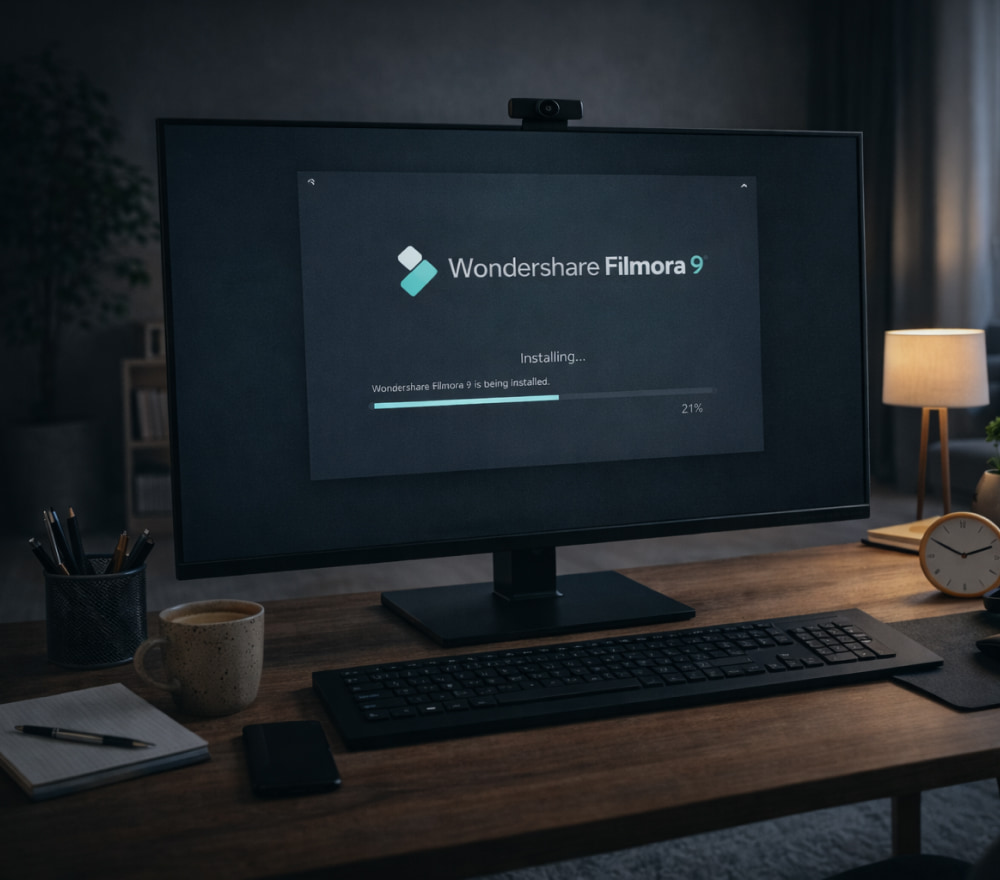
Download Filmora 9 for Windows 10 PC & Android
InstallIf you’re getting ready to edit your first vlog, tutorial, or short film, Filmora 9 can be a friendly starting point with a clean interface and practical tools. This guide walks you through installation, first launch, and a few quick checks so you can begin creating without headaches.
Tip: Before you begin, close other heavy programs and make sure you have a stable internet connection for downloads, updates, and optional add-ons.
Before You Start: Quick Checklist
- Confirm you have administrator access on your computer.
- Free up storage space for the app, media files, and exports.
- Update your graphics driver if you haven’t done so recently.
- Decide where you want to save projects (internal drive vs. external SSD).
Download and Prepare the Setup File
First, locate our fan website and save the Filmora 9 installer to a folder you can easily find, such as Downloads or Desktop. Once the file finishes downloading, scan it with your antivirus tool and verify the file name looks consistent with the official distribution style. If you downloaded a compressed archive, extract it fully before launching the setup.
Windows Installation Walkthrough
To begin, double-click the setup file and follow the on-screen prompts to install Filmora 9 with the default options unless you have a specific reason to change them.
Recommended Windows Steps
- Right-click the installer and choose “Run as administrator” if prompted.
- Accept the license agreement after reading it.
- Select an install location (default is fine for most users).
- Finish the setup and launch the program from the final screen.
If your goal is to edit on a desktop or laptop, the process to install Filmora 9 on Windows PC is usually straightforward, but security prompts can appear depending on your system settings.
MacOS Notes: What to Expect
Mac installation typically uses a drag-and-drop workflow, but distributions can vary. If you specifically need a Filmora 9 installer for Mac, make sure your macOS version meets the app’s requirements and that you approve permissions in Security & Privacy if macOS blocks the launch.
- If Gatekeeper shows a warning, open System Settings and allow the app from the developer you trust.
- Grant access to files and folders when prompted so the editor can import media.
- Use an SSD for large projects to improve performance.
First Launch Setup: The Essentials
After installation, open the program and complete the initial configuration. A helpful approach is to treat the first run like a quick calibration of your editing environment, especially if you plan to work with HD or 4K media. For a clean start, follow a simple Filmora 9 app install guide workflow: set your default project folder, confirm the language, and check whether hardware acceleration options are available in preferences.
What to Configure Right Away
- Project location: Choose a drive with ample free space.
- Autosave: Enable autosave and set a reasonable interval (e.g., every 5–10 minutes).
- Performance: Turn on GPU acceleration if your system supports it.
- Proxy files: Consider proxies for smoother playback with high-resolution footage.
Troubleshooting: Common Installation Issues
Even a smooth install can run into a few predictable snags. Use the table below to diagnose quickly before you reinstall anything.
| Issue | Likely Cause | Fix |
|---|---|---|
| Installer won’t open | Blocked by permissions or security settings | Run as admin (Windows) or allow in Security settings (Mac) |
| Installation stops midway | Insufficient disk space or background conflicts | Free up space, close other apps, retry |
| App launches but crashes | Outdated GPU driver or incompatible settings | Update drivers, disable GPU acceleration temporarily |
| Can’t import media | Permissions or unsupported formats | Grant folder access, convert media to a common format |
Best Practices After Installation
Once everything is running, spend five minutes on setup that saves hours later. Label your folders, keep source footage organized, and test a short export to confirm audio/video settings behave as expected.
Quick “Test Project” Routine
- Create a new project and import two short clips.
- Add a title and a simple transition.
- Export a 10–15 second video in your target resolution.
- Play it back to check sound sync and quality.
If you want a reliable reference to revisit later, keep this Filmora 9 installation guide bookmarked so you can repeat the process on another computer without missing the small details.
FAQ
Do I need an internet connection?
You can often complete installation offline after downloading, but activation, updates, and certain content libraries may require internet access.
Where should I store projects?
Use a fast internal drive or a quality external SSD. Avoid slow USB sticks for active editing projects.
Should I enable hardware acceleration?
If your GPU is compatible, it can improve timeline playback and export speed. If you notice crashes, toggle it off and try again.